
250 Years!
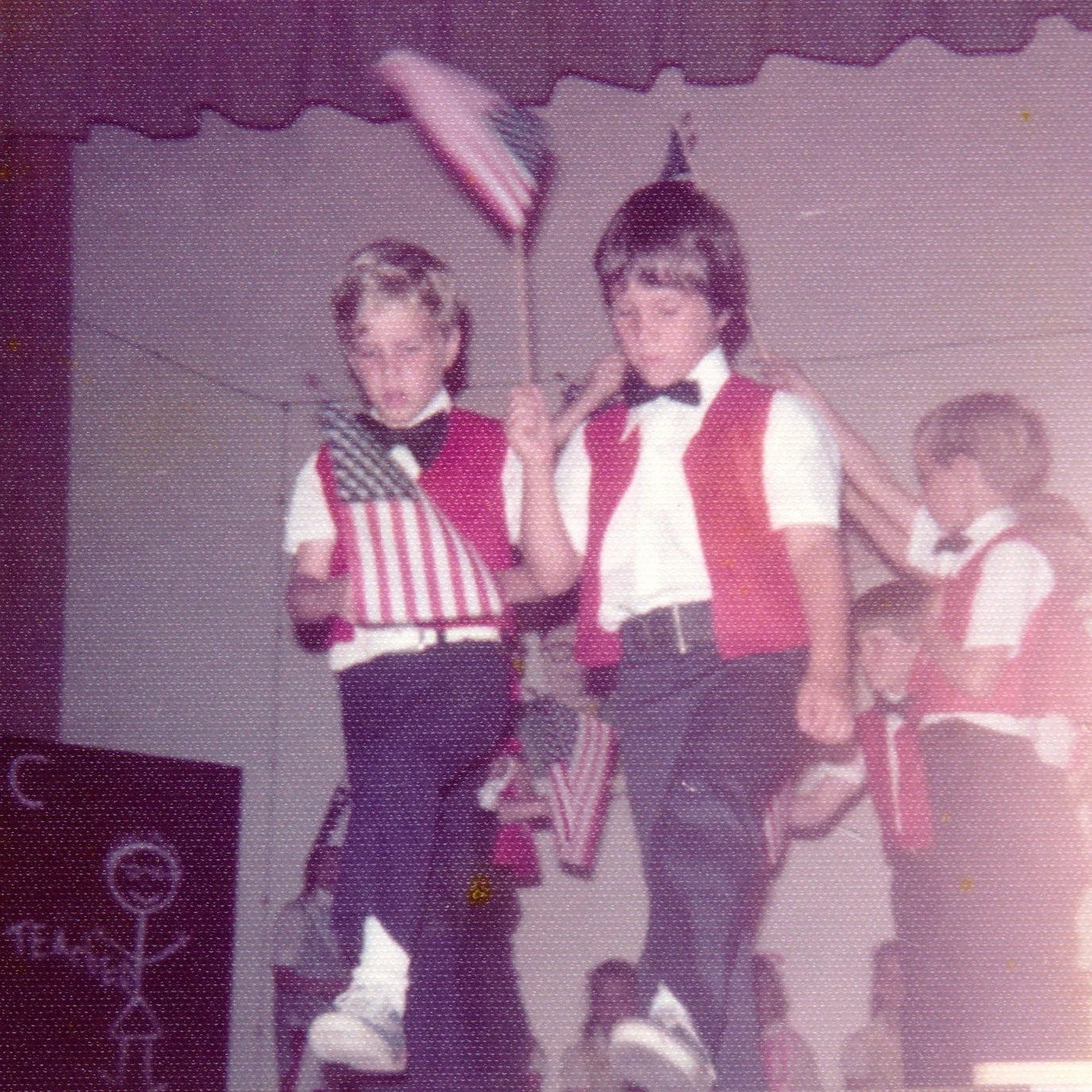
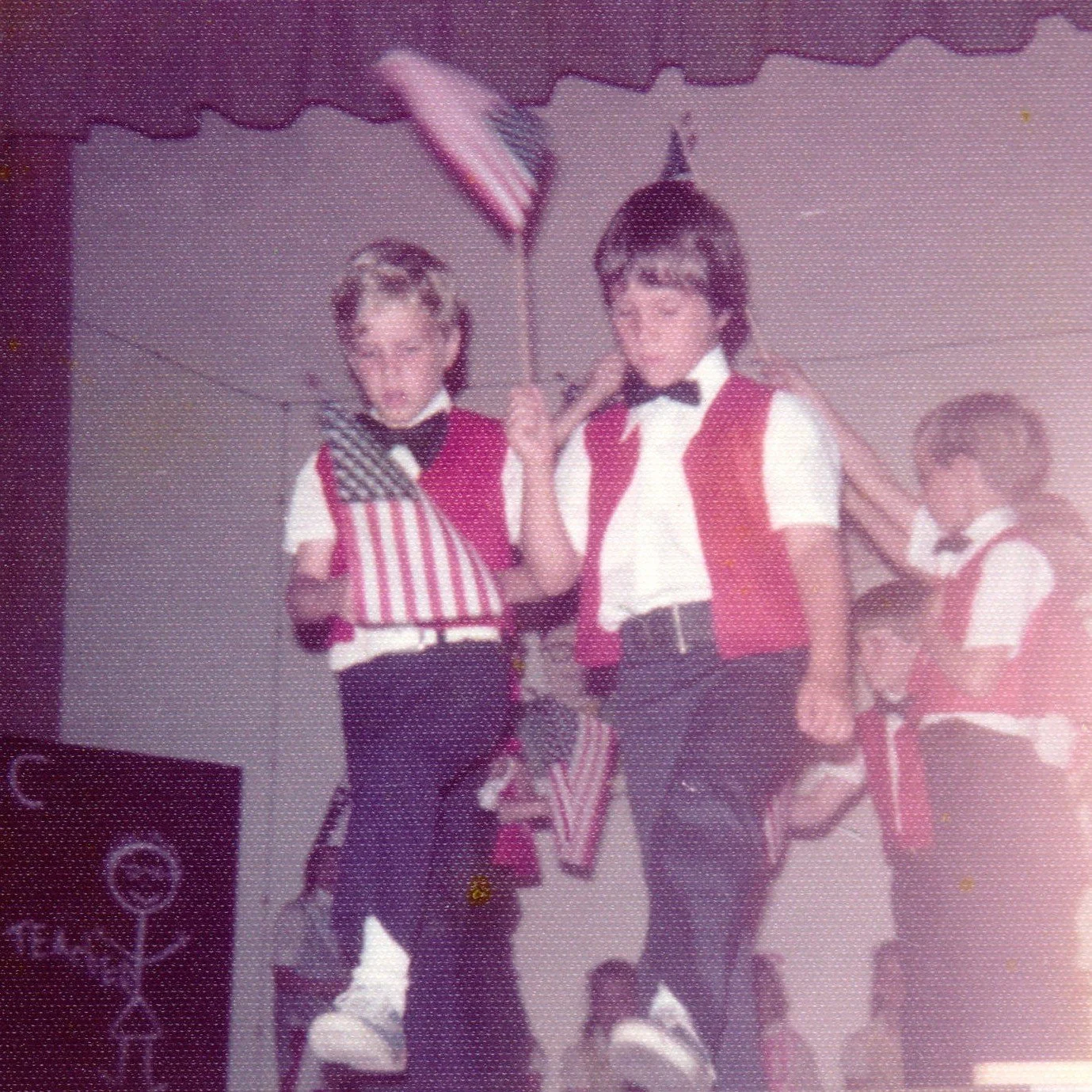
I was nine years old during the bicentennial celebrations in 1976. My mom made me a red vest to wear with my white shirt and blue pants. There were fireworks and parades. My little brother dressed as a pilgrim, and my friend Janet was Pocahontas. I read a poem at the school assembly. The celebration was a big deal for weeks.
Those were tumultuous times after Watergate, with rampant inflation and unemployment. It was a slow-recovery year that coined the term "stagflation," but the mood in the country was optimistic and hopeful. We had reasons to be cynical then, but cynicism had not yet become the national mood.
On this date fifty years ago, President Ford attended a naturalization ceremony and spoke to the new citizens assembled there. He said:
“The patriots of 1776 wanted to build in this beautiful land a home for equal freedom and opportunity, a haven of safety and happiness, not for themselves alone, but for all who would come to us through centuries. Such transfusions of traditions and cultures have made America unique among nations and Americans a new kind of people. We offered citizenship to all, and we have been richly rewarded.”
The values that define the American ideal are not complicated. Over the past few months, I have highlighted those values in bi-weekly posts on social media. I believe these values make our nation great and that the virtues of our leaders shape the country's moral character. For nearly 250 years, we've been fortunate to have presidents who largely represent these values. They mostly displayed character traits that we would be proud for our children to emulate. Traits such as integrity, prudence, temperance, decency, humility, justice, courage, empathy, wisdom, patriotism, stewardship, and pluralism.
In Ronald Reagan’s last public address as president, he talked about immigrants:
“They believe in the American dream. And over and over, they make it come true for themselves, for their children, and for others. They give more than they receive, because they understand in a special way how glorious it is to be an American.”
This is not a theoretical idea to me. It has names, faces, accents, stories, and places at my dinner table. Among my closest friends in the United States are those who were born in the Netherlands, Colombia, Hungary, France, India, Germany, Canada, Serbia, England, Costa Rica, New Zealand, Moldova, Korea, and, of course, Mexico. Muchos amigos de México.
They are not abstractions in a policy debate. They are travel companions, business partners, neighbors, confidants, and friends. They have made my life larger, warmer, richer, smarter, and more joyful. It hurts me to know that they are the targets of the most vile and hateful rhetoric coming from our leaders.
In 1976, I wore red, white, and blue as a celebration of pride. Today, I wear those colors with a more complicated heart. The bicentennial was a year of hope. I can envision a time in the not-too-distant future when that optimism will return, and our government will once again represent the ideals that make our country a beacon in the world. The America I love is not gone. It is waiting to be remembered, defended, and renewed.