The 8th Commandment
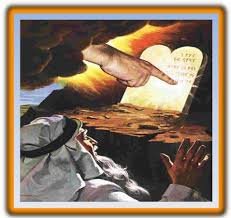
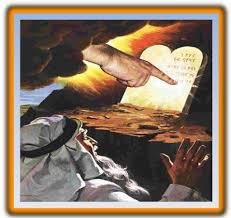
I think that we can all agree that lying is generally considered bad. God thought it was important enough to etch the prohibition into a stone tablet with his finger. That’s a neat trick. The King James version of the commandments uses a lot of words to say, “Don’t lie.”
“Thou shalt not bear false witness against thy neighbour.” - Exodus 20:16
The king could have used a good editor, one who knows how to properly spell neighbor, but you get the point. The core practical effects of the 8th Commandment are to prohibit lying, perjury, false accusations, slander, libel, deception, hypocrisy, gossip, and silence that enables lies to spread. The underlying moral principle protects truth, trust, and human dignity. It governs not only what we say, but why, how, and when we say it. The 8th Commandment requires honesty that is in the service of justice and charity.
This is not just a Christian thing. Every major religion in the world condemns lying. Thomas Aquinas was pretty hardcore in his interpretation of this prohibition. He would allow withholding information if the person seeking it could use it to harm another. Thus, he might refuse to answer the question, “Do you know where Anne Frank is hiding?” but he wouldn’t lie about it. He said that it is better to suffer the consequences of non-disclosure than to lie. Modern ethicists are a bit more lenient. They believe that truth is an objective moral good but are more focused on the effects of a lie than the falsehood itself. This is why we can safely answer the question, “Do these jeans make my butt look big?”
During Donald Trump’s first term in office, the Washington Post cataloged 30,573 false or misleading claims made by the president. That is an average of 21 lies per day. No single institution is even trying to keep a running tally during the second term, although PolitiFact has a tracker that says 76% of his statements are at least “mostly false” (they rate 19% as “pants on fire”). Does this matter? Yes, it does.
A leader who lies that frequently doesn’t just misinform; he reshapes how we relate to truth, authority, and one another. The downstream effect is the collapse of our shared commitment to the truth. This leads to an erosion of trust in our institutions, the normalization of dishonesty, political polarization, fragmentation of reality, civic exhaustion, and moral injury to the nation as a whole.
We can survive bad policy choices and partisan conflict. We cannot survive without a shared commitment to the truth. Trump’s lies are not just a personality flaw; they are a systemic threat to the republic. We do not tolerate lying in our personal lives. We don’t teach our children to lie. We don’t do business with people who don’t tell the truth.
It is time to revisit our commitment to the 8th Commandment. Moses knew the score.